Who Should Attend
The Ethical Leadership and Corporate Governance – Executive Talk Show program is designed for individuals who are interested in gaining insight into the importance of ethical leadership and corporate governance in today’s business world.
Participants may include:
- Senior Executives
- Managers and Team Leaders
- Legal Professionals
- Human Resources Professionals
- Investors and Shareholders
- Policy Makers
- Academics and Researchers
In conclusion, the Executive Talk Show program on Ethical Leadership and Corporate Governance is specifically designed for individuals from diverse professional backgrounds, including senior executives, managers, team leaders, HR professionals, investors, policymakers, and academics. By attending this program, participants can gain valuable insights, develop practical skills, and contribute to the growth and success of their organizations.
Best Practices for Ethical Leadership:
- Promote a Culture of Ethics: Leaders should foster a culture of ethical behavior by communicating the organization’s values, expectations, and consequences related to unethical conduct.
- Lead by Example: Leaders should demonstrate ethical behavior themselves, setting an example for others to follow.
- Establish Trust: Building trust with employees, stakeholders, and the broader community is essential for ethical leadership. Leaders should establish open and honest communication channels, listen actively, and address any concerns or concerns promptly.
- Take a Stand: Ethical leaders should not hesitate to take a stand against unethical practices, even if it means challenging their own decisions or those of their colleagues.
- Encourage Ethical Decision-Making: Leaders should provide resources and support to enable employees to make ethical decisions, such as training programs and guidance on ethical dilemmas.
- Promote Diversity and Inclusion: Leaders should encourage diversity and inclusion within the organization, as diverse perspectives can lead to better decision-making and enhance ethical practices.
Best Practices for Corporate Governance:
- Establishing Ethical Framework: Organizations should establish a comprehensive ethical framework that outlines the principles and guidelines to be followed.
- Board of Directors: The board of directors should consist of individuals with diverse backgrounds, expertise, and integrity who can provide independent oversight and guidance.
- Sustainability: Organizations should prioritize sustainability, integrating environmental, social, and governance (ESG) considerations into their decision-making processes.
- Whistleblowing Channels: Organizations should establish effective whistleblowing channels to encourage employees to report unethical or illegal conduct without fear of retaliation.
- Reporting and transparency: Organizations should provide transparent disclosure of financial, operational, and ESG performance to enable stakeholders to evaluate their ethical practices.
- Compliance and Risk Management: Organizations should implement robust compliance programs to identify, mitigate, and manage risks related to ethical conduct.
Additionally, the program provides an insight facts surrounding Ethical Leadership and Corporate Governance in any organization
- Role Model: Ethical leaders serve as role models for their employees, inspiring them to follow ethical practices. By demonstrating integrity, honesty, and ethical decision-making, they create an environment in which employees feel comfortable doing the same.
- Ethical Values: Ethical leaders prioritize and instill strong ethical values within the organization. They encourage open communication, transparency, and respect for all individuals, regardless of their background or position.
- Employee Engagement: Ethical leaders foster a sense of trust, respect, and collaboration among their employees. This level of engagement increases employee satisfaction and loyalty, leading to higher productivity and lower turnover rates.
- Customer Trust: Ethical leadership also contributes to building and maintaining customer trust. When customers perceive that a company is acting ethically and with integrity, they are more inclined to do business with them, leading to increased customer loyalty and positive word-of-mouth referrals.
- Corporate Reputation: Ethical leadership plays a vital role in shaping an organization’s reputation. Companies that prioritize ethical practices and demonstrate a strong commitment to corporate social responsibility enjoy a strong reputation, which can attract high-quality employees and investors.
Additional facts about Corporate Governance:
- Board of Directors: The board of directors is responsible for overseeing and guiding the organization’s strategic direction. They have fiduciary duties to act in the best interest of the company and its shareholders.
- Shareholder Rights: Corporate governance ensures that shareholders have certain rights and protections, such as the right to vote on certain matters and the right to information about the company’s financial performance and operations.
- Conflict of Interest: Corporate governance helps prevent conflicts of interest by implementing policies that require board members to disclose any conflicts of interest and refrain from engaging in activities that may compromise their ability to act in the best interest of the company.
- Transparency: Good corporate governance practices promote transparency by requiring companies to disclose relevant information to shareholders, investors, and the public. This includes financial statements, annual reports, and information about executive compensation.
- Accountability: Corporate governance ensures that individuals within the organization are held accountable for their actions. This includes the CEO, board members, and other senior executives, who are tasked with ensuring the company’s compliance with legal and ethical requirements.
By embodying ethical leadership and embracing effective corporate governance practices, organizations can create an environment where integrity, transparency, and accountability thrive, ultimately leading to long-term success and reputation.
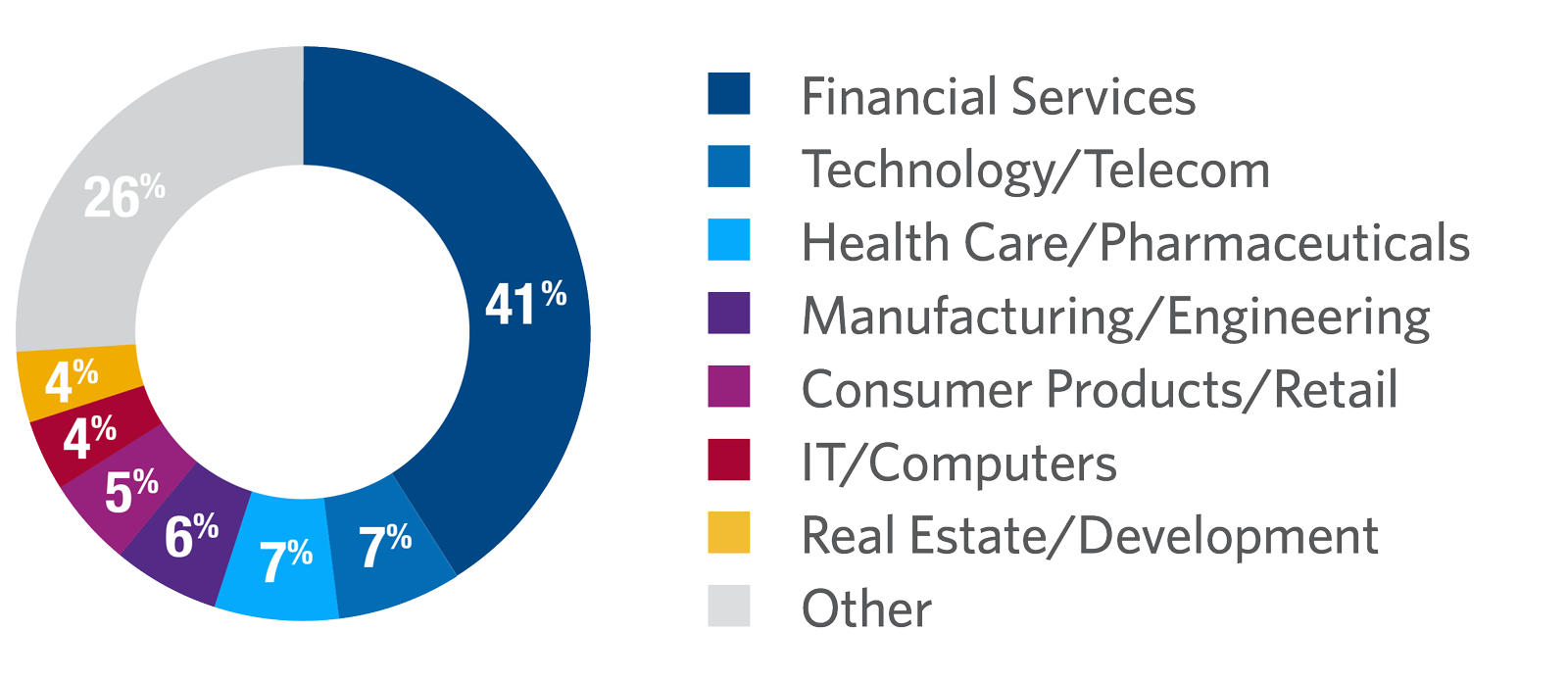
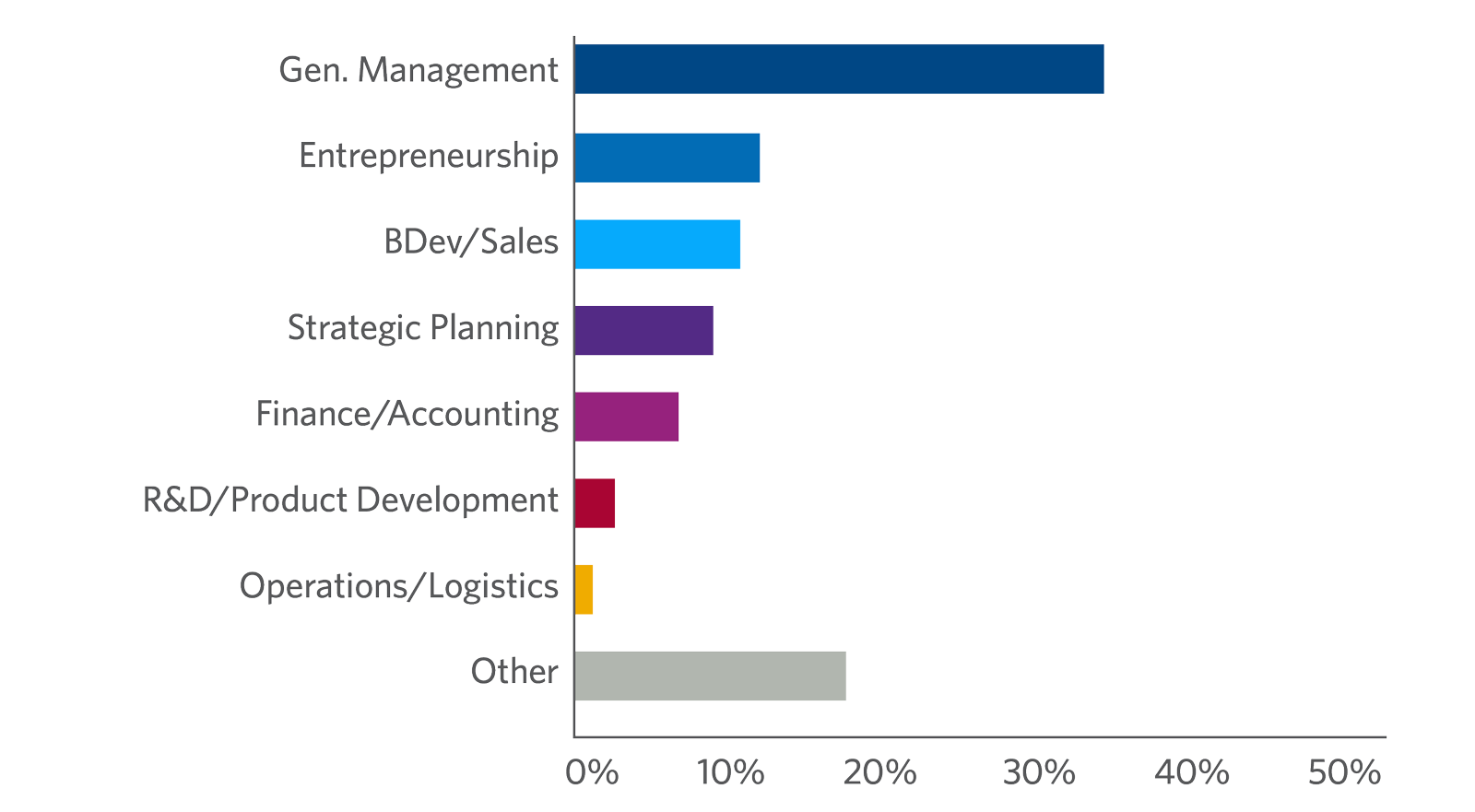
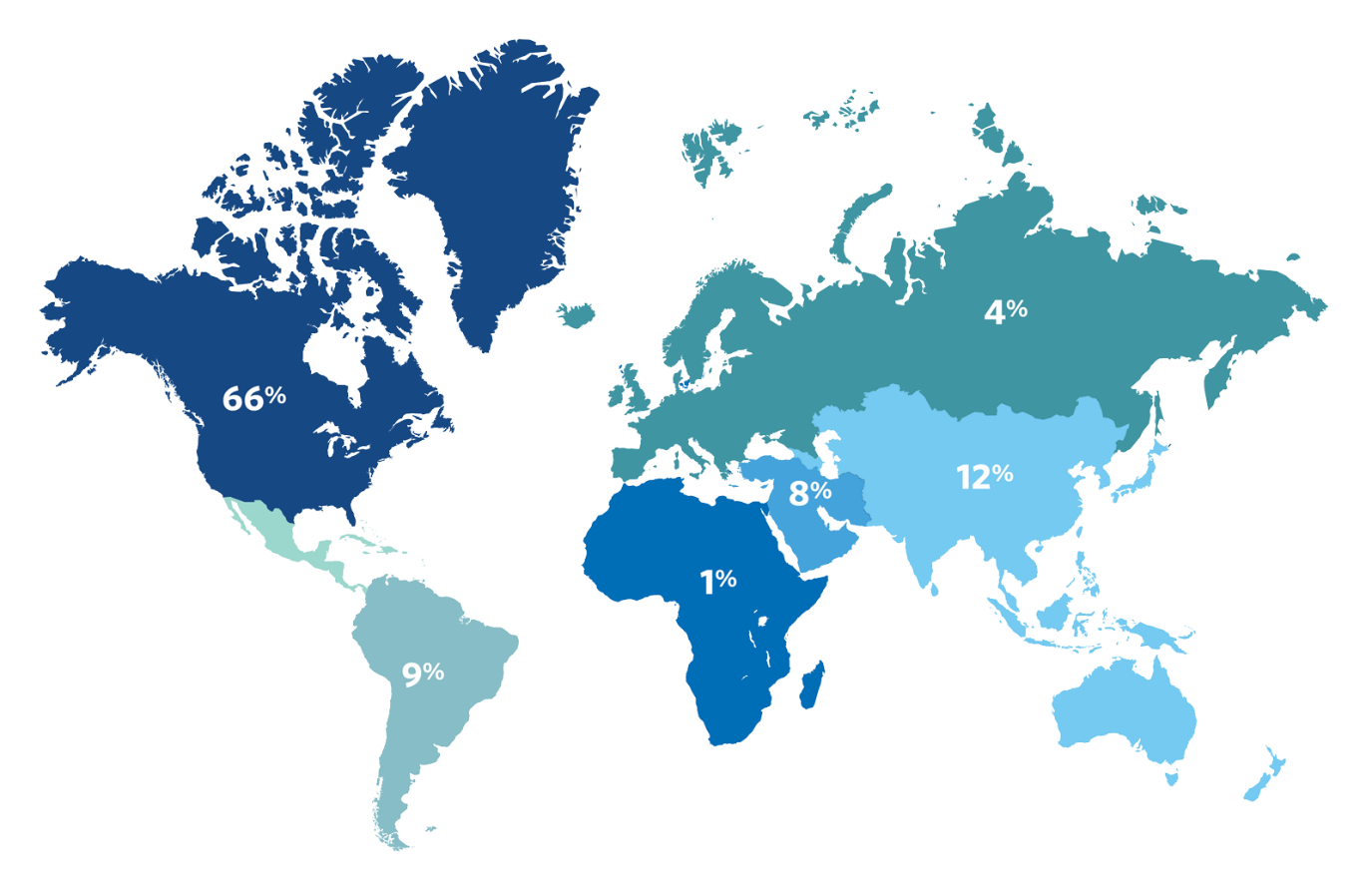
Participant Profile
Participants by Industry
Participants by Job Function
Participants by Region

Plan Your Stay
This program is held at the Radisson Hotel, GRA Ikeja – Lagos, Nigeria located in the heart of Lagos, Nigeria. Meals and accommodations are subject to participant’s request excluded in the program fees. Learn more about planning your stay at Radisson Hotel.
Group Registration
To further leverage the value and impact of this program, we encourage companies to send cross-functional teams of executives to Wharton. We offer group-registration benefits to companies sending four or more participants.